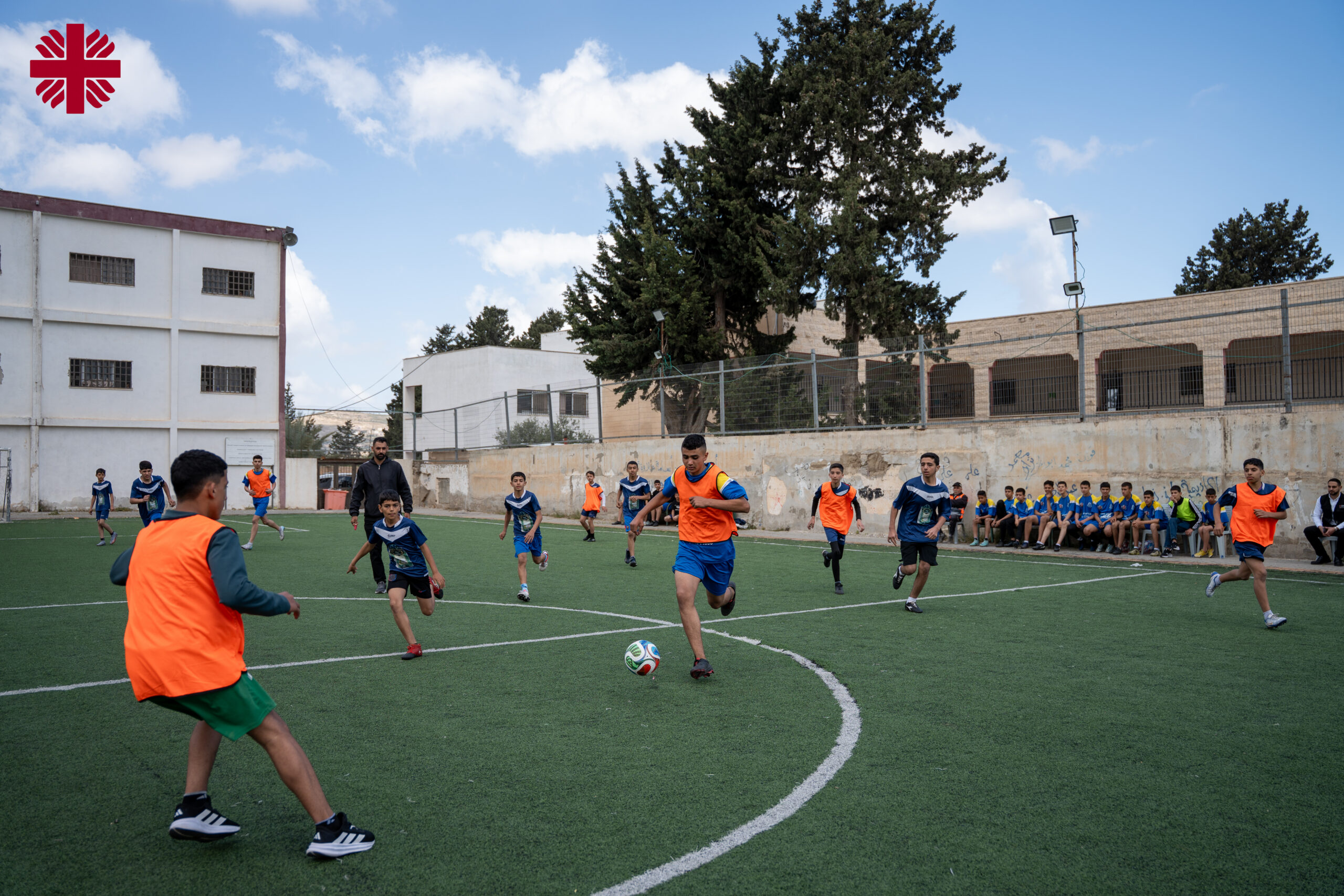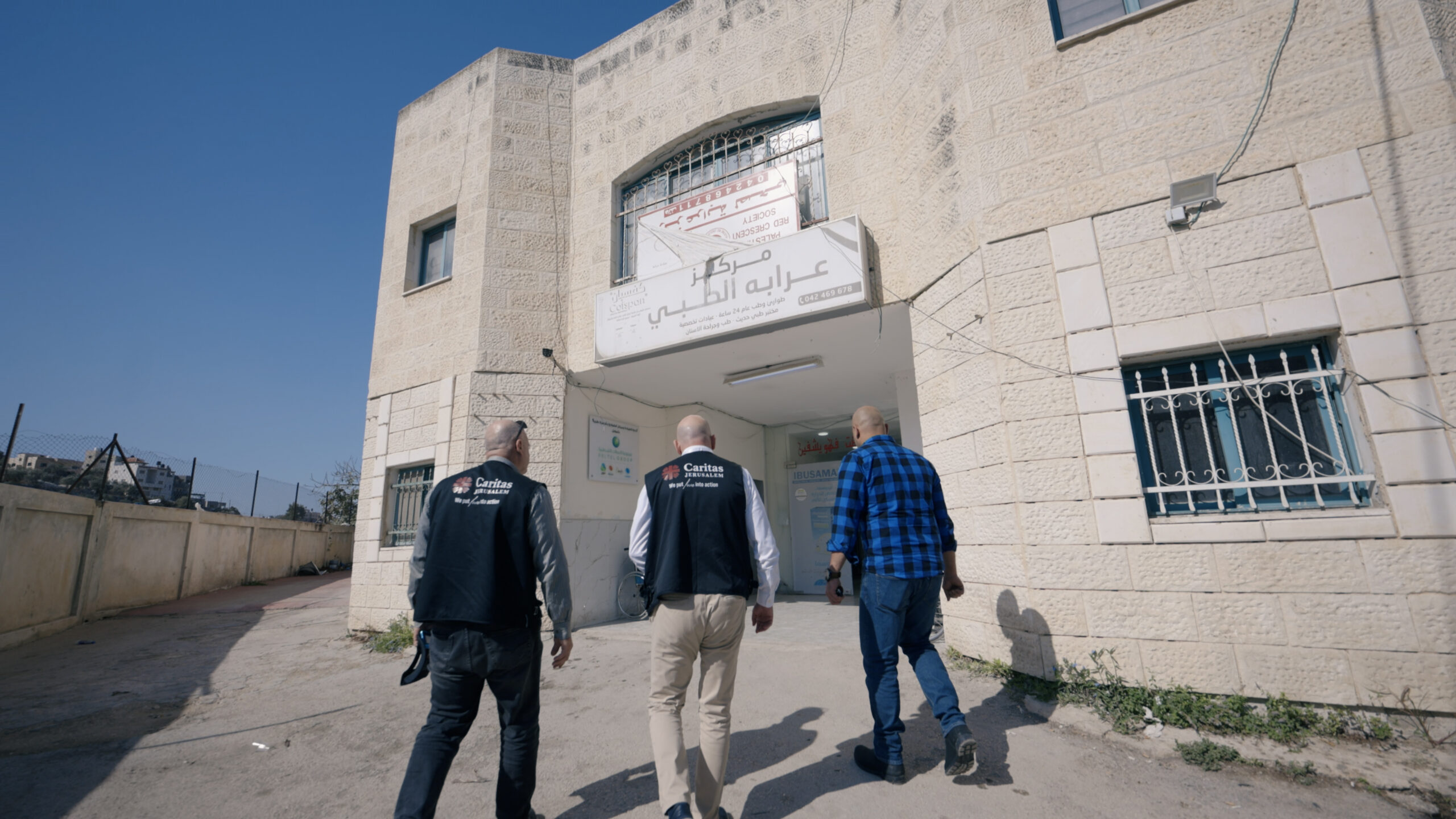
In Palestine, especially in Jenin, communities face daily economic challenges and ongoing uncertainty. At the same time, they hold the strength and potential to shape their own future. In response, Caritas Jerusalem launched the Coherence Palestine project, working through three main pathways: Social Cohesion Projects, Rural Economy and Supporting Livelihoods Projects, and Resilience and Disaster Risk Reduction Projects. Together, these pathways support communities to strengthen their capacities, improve their livelihoods, and build a more resilient and sustainable future, grounded in local participation and practical solutions.
Resilience and Disaster Risk Reduction
This pathway focused on food security, natural resources, and how communities prepare for difficult times ahead. The work comes from Caritas Jerusalem’s concern for sustainability and for helping people protect their land and resources over the long term.
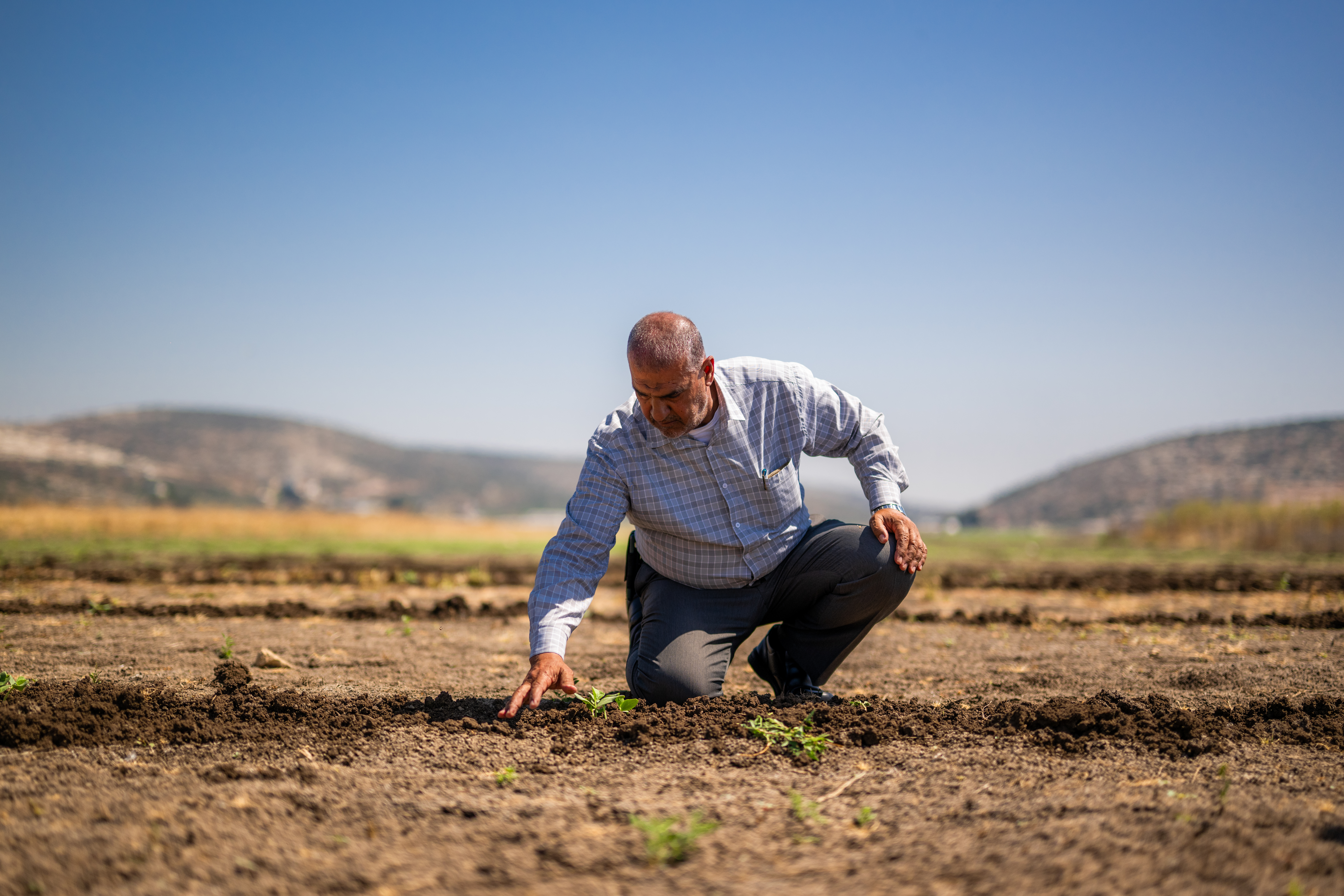
Palestine continues to face a chronic humanitarian crisis that affects rural life. Many farmers face growing pressure that makes farming harder to sustain. People talked about water shortages, rising farming costs, dependence on chemical fertilizers and pesticides, climate change, and relying on food from outside their communities.
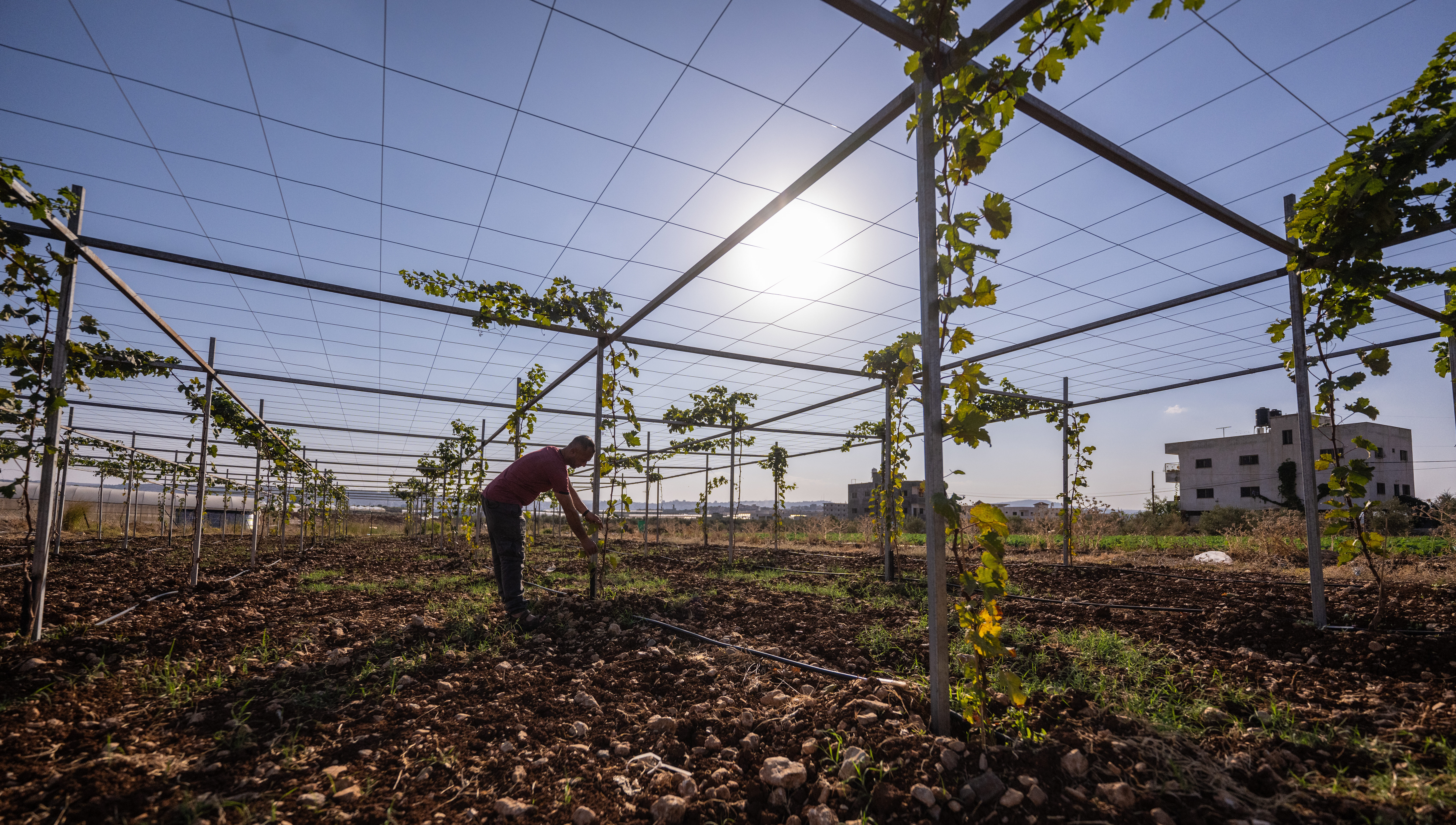
The response stayed practical and connected to daily life. The program supported home gardens, local seeds preservation, water use, and farming methods that work locally. Farmers and households tried simple practices in their own gardens and fields such as composting, improving soil, intercropping, and natural pest control . They learned by trying, watching results, and adjusting their work based on experience.
People also came together to talk about farming and climate risks. They shared how they deal with difficulties and how they use what is available to them when problems arise. This helped communities think more clearly about risks and options. Over time, they gained better tools to understand crises, reduce their impact, and recover from them. Through this work, communities became better able to protect food sources, deal with uncertainty, and reduce vulnerability.
Rural Economy and Livelihoods
This pathway focused on helping people earn a living and feel more stable in their daily lives. The aim was to increase and diversify income in rural communities in ways that can last. Caritas Jerusalem worked with people based on the idea that work should protect dignity and help families rely on themselves.
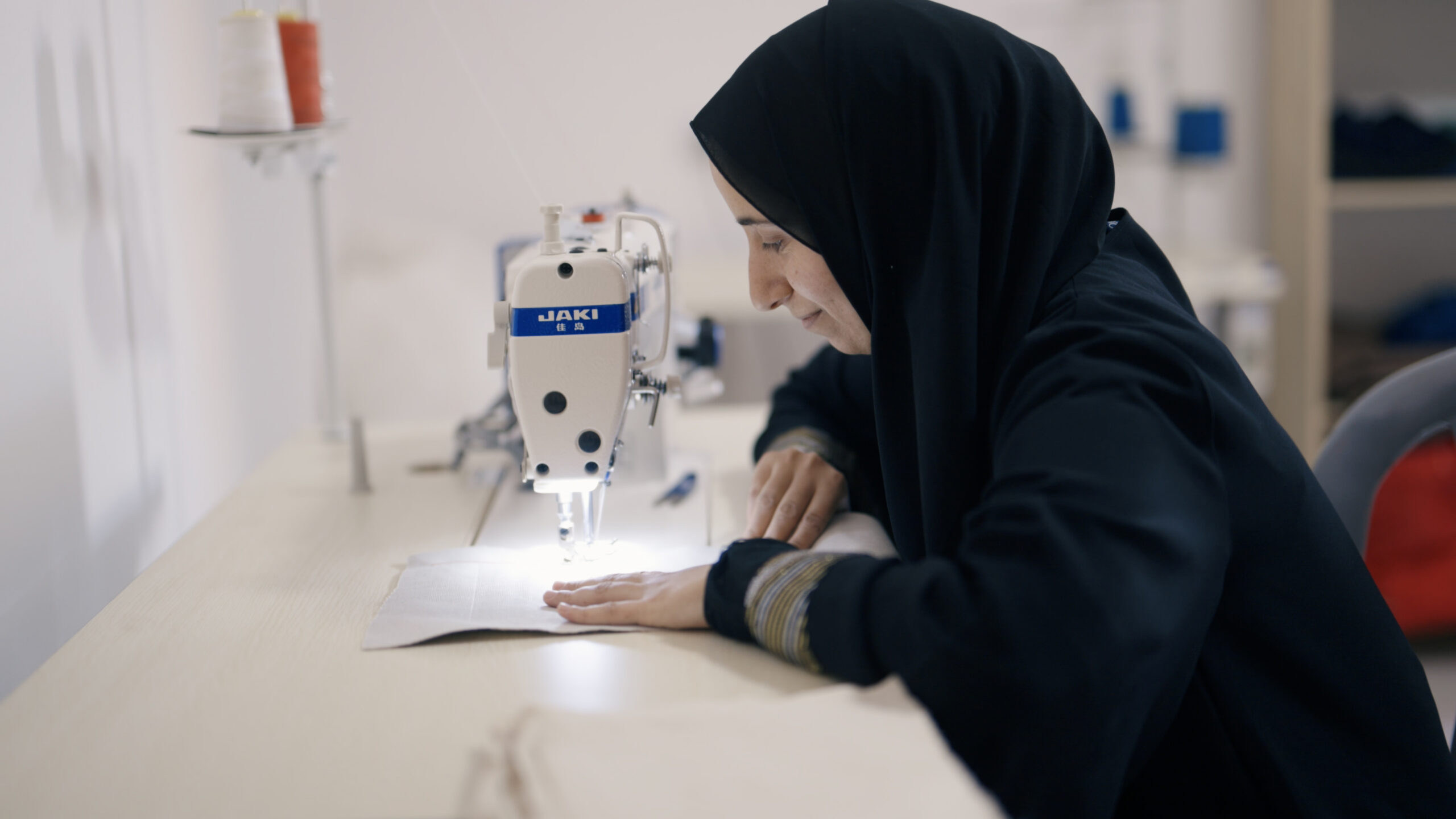
Communities spoke clearly about the lack of income and limited job options, especially for women and young people. In response, more than 200 small livelihood initiatives were supported across the targeted areas. The focus was on practical work that fits local life rather than large or risky projects.
Support built on skills people already had. Many participants knew how to sew, prepare food, farm, or provide small services, but did not have the tools or resources to turn these skills into constant income. They received equipment, materials, short training, and follow-up. In some cases, short-term paid work linked to program activities helped cover immediate needs while giving practical experience.
Farmers’ organizations and local civil society groups also received support to strengthen how they work and invest in their activities. This helped improve coordination, planning, and shared use of resources. For young people, the work focused on employability. Vocational training, internship opportunities, and access to entrepreneurship and innovation hubs helped them gain experience and explore new ideas.
Most initiatives were home-based or small in scale, allowing people to work close to home and balance family responsibilities. Women and young people played a strong role throughout this area. The goal was to help people earn income in ways they can handle by themselves.
Rural Economy and Livelihoods
This pathway focused on helping people earn a living and feel more stable in their daily lives. The aim was to increase and diversify income in rural communities in ways that can last. Caritas Jerusalem worked with people based on the idea that work should protect dignity and help families rely on themselves.
Communities spoke clearly about the lack of income and limited job options, especially for women and young people. In response, more than 200 small livelihood initiatives were supported across the targeted areas. The focus was on practical work that fits local life rather than large or risky projects.
Support built on skills people already had. Many participants knew how to sew, prepare food, farm, or provide small services, but did not have the tools or resources to turn these skills into constant income. They received equipment, materials, short training, and follow-up. In some cases, short-term paid work linked to program activities helped cover immediate needs while giving practical experience.
Farmers’ organizations and local civil society groups also received support to strengthen how they work and invest in their activities. This helped improve coordination, planning, and shared use of resources. For young people, the work focused on employability. Vocational training, internship opportunities, and access to entrepreneurship and innovation hubs helped them gain experience and explore new ideas.
Most initiatives were home-based or small in scale, allowing people to work close to home and balance family responsibilities. Women and young people played a strong role throughout this area. The goal was to help people earn income in ways they can handle by themselves.