Paths to Resilience: Caritas Jerusalem Marks Five Years of the COHERENCE Programme in Jenin Governorate
October 23, 2026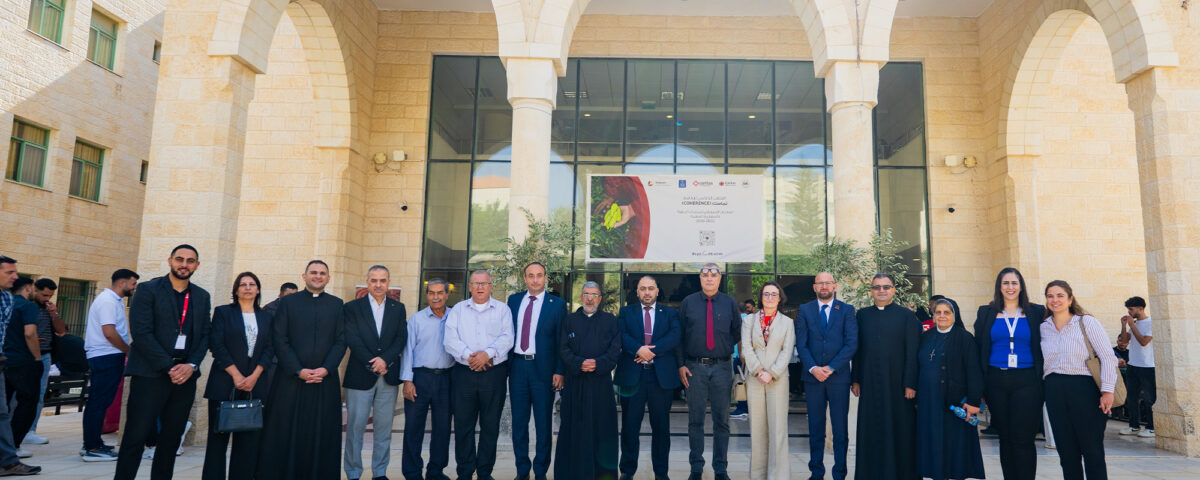
20-21 October 2026
As we traveled from Jerusalem to Zababdeh, (North of Palestine) the changes along the road were impossible to ignore. In just a few months since our last visit, the landscape had transformed. More gates. More checkpoints. More houses reduced to rubble. More small businesses gone. The journey itself felt different, heavier somehow.
Yet our destination was meant to be a place of celebration.
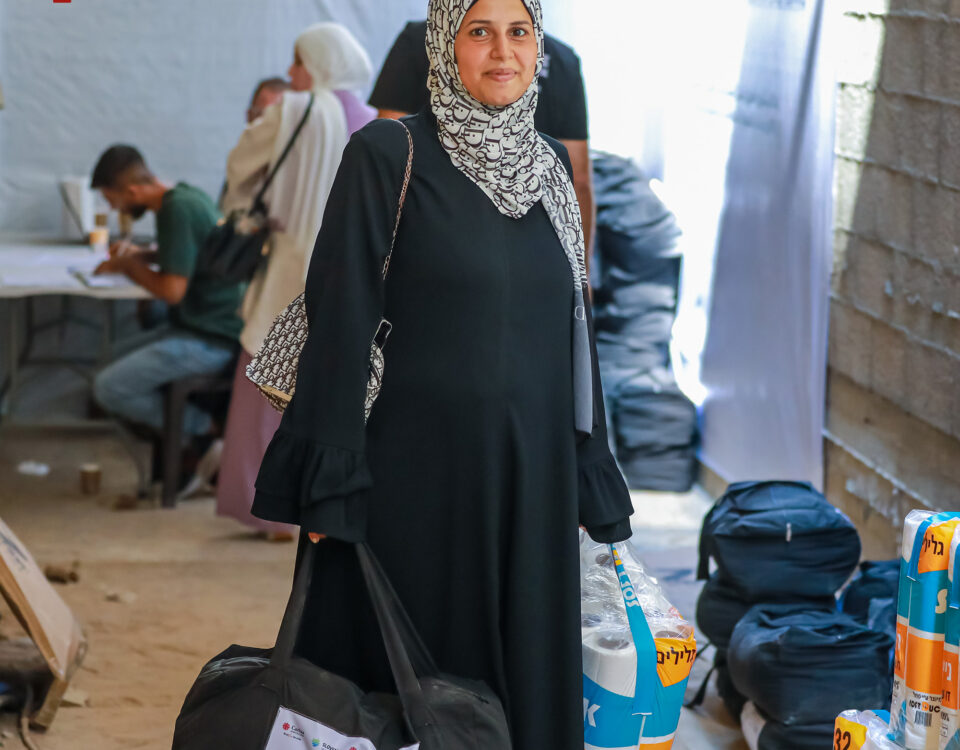
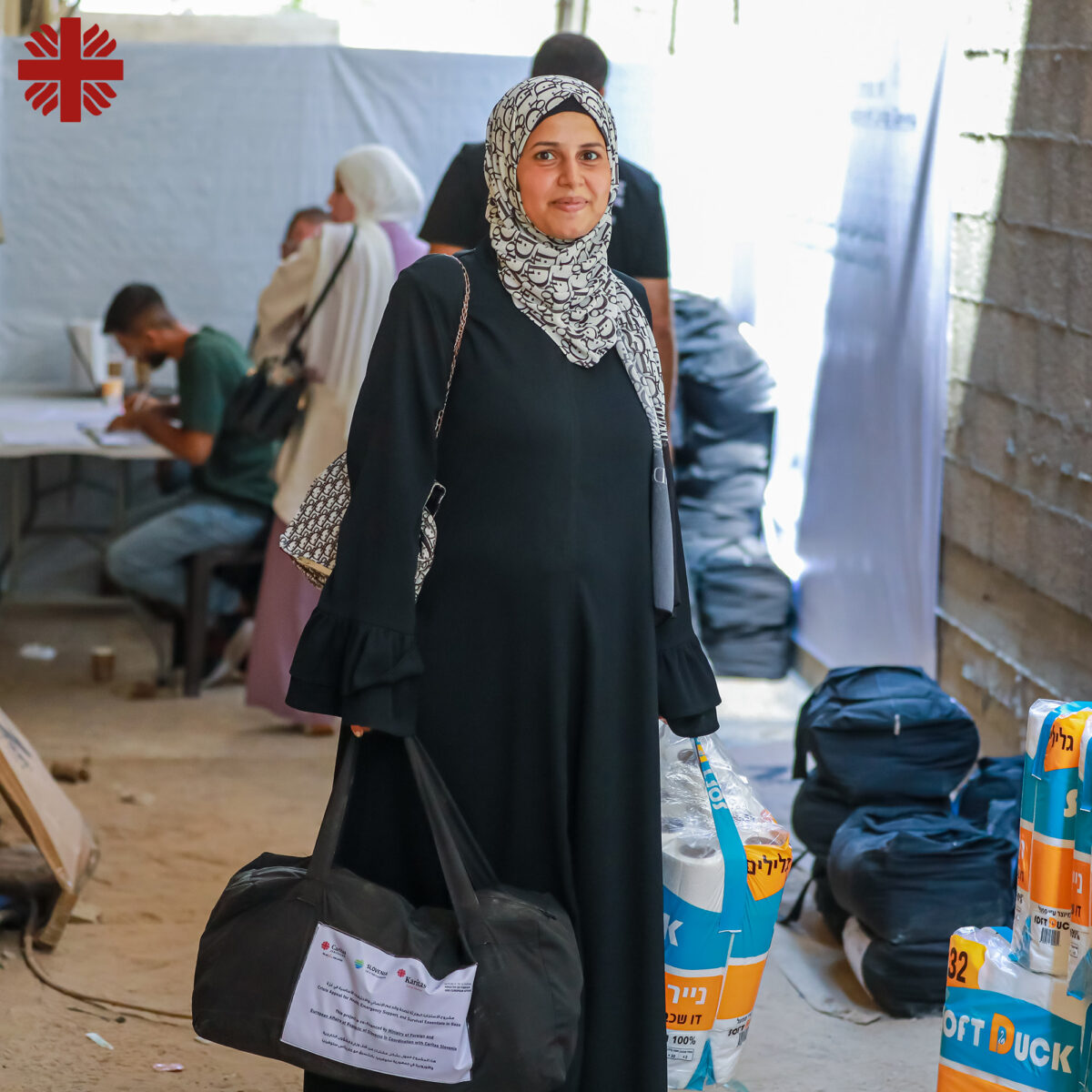
For five years, we had worked alongside communities in the Jenin Governorate, supporting people on their journeys from vulnerability toward self-reliance. This field visit was an opportunity to witness the fruits of that work. We visited micro-projects, listened to success stories, and heard testimonies from people whose lives had been transformed. Men and women spoke with pride about businesses they had built, obstacles they had overcome, and the dignity they had regained.
Again and again, they expressed their gratitude to Caritas, not simply for financial support, but for standing beside them, believing in them, and encouraging them when success seemed out of reach.
It was impossible not to be moved.
There were smiles everywhere. There was laughter. And sometimes there were tears, tears of joy, of relief, of hard-earned achievement. To witness people move from need to independence is one of the greatest privileges of our work.
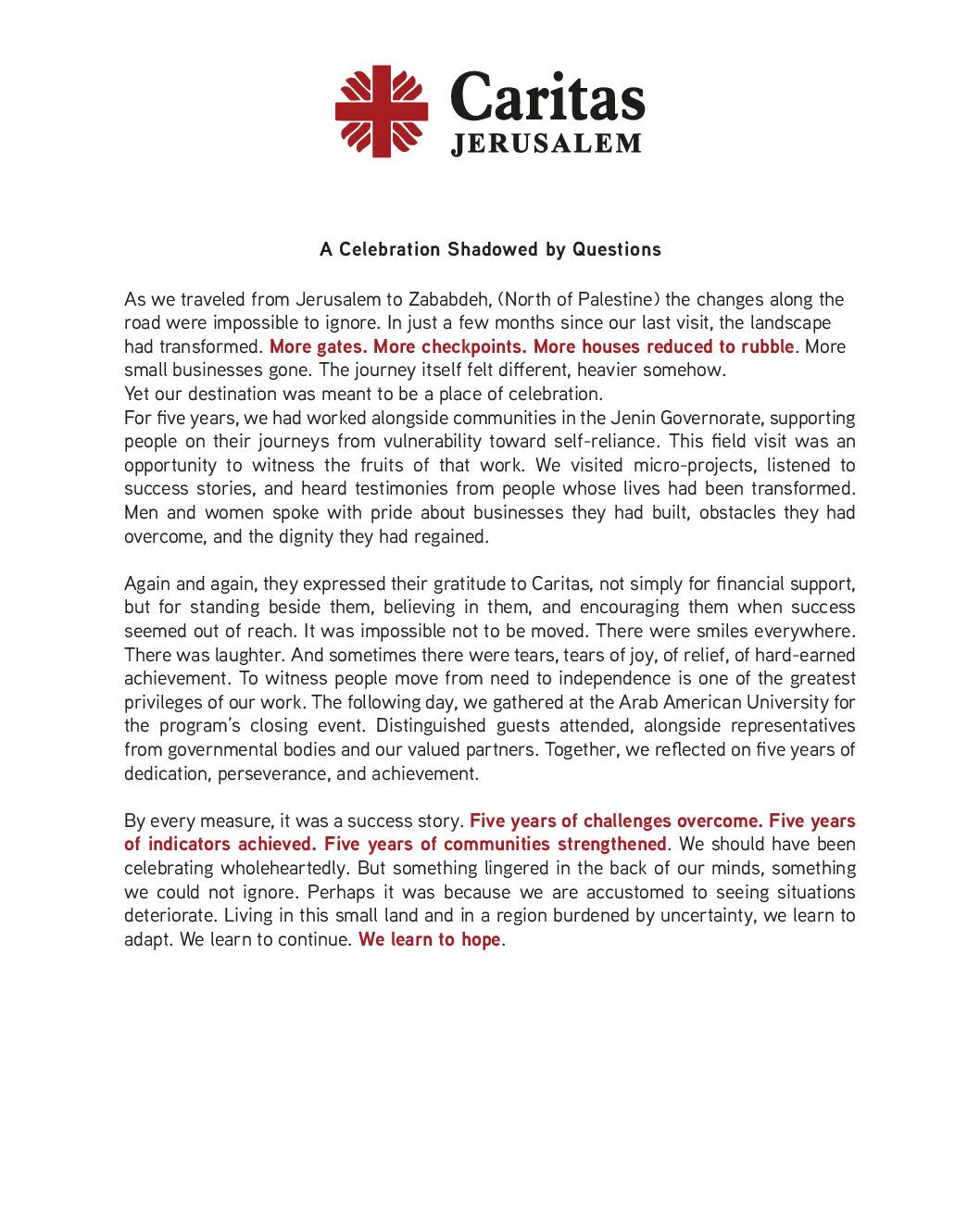
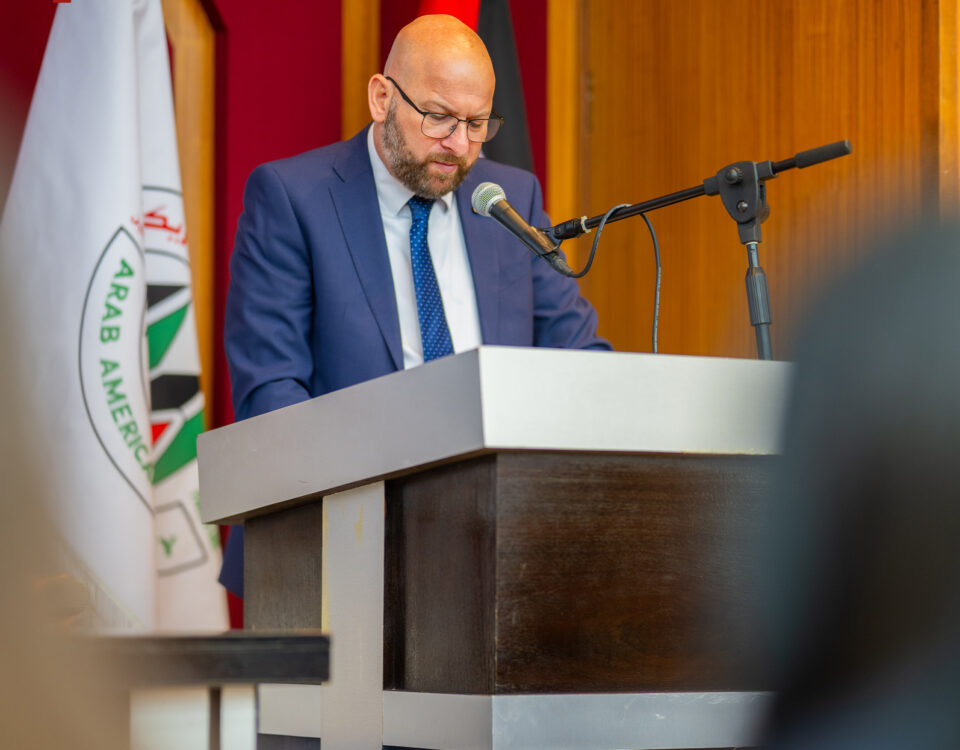
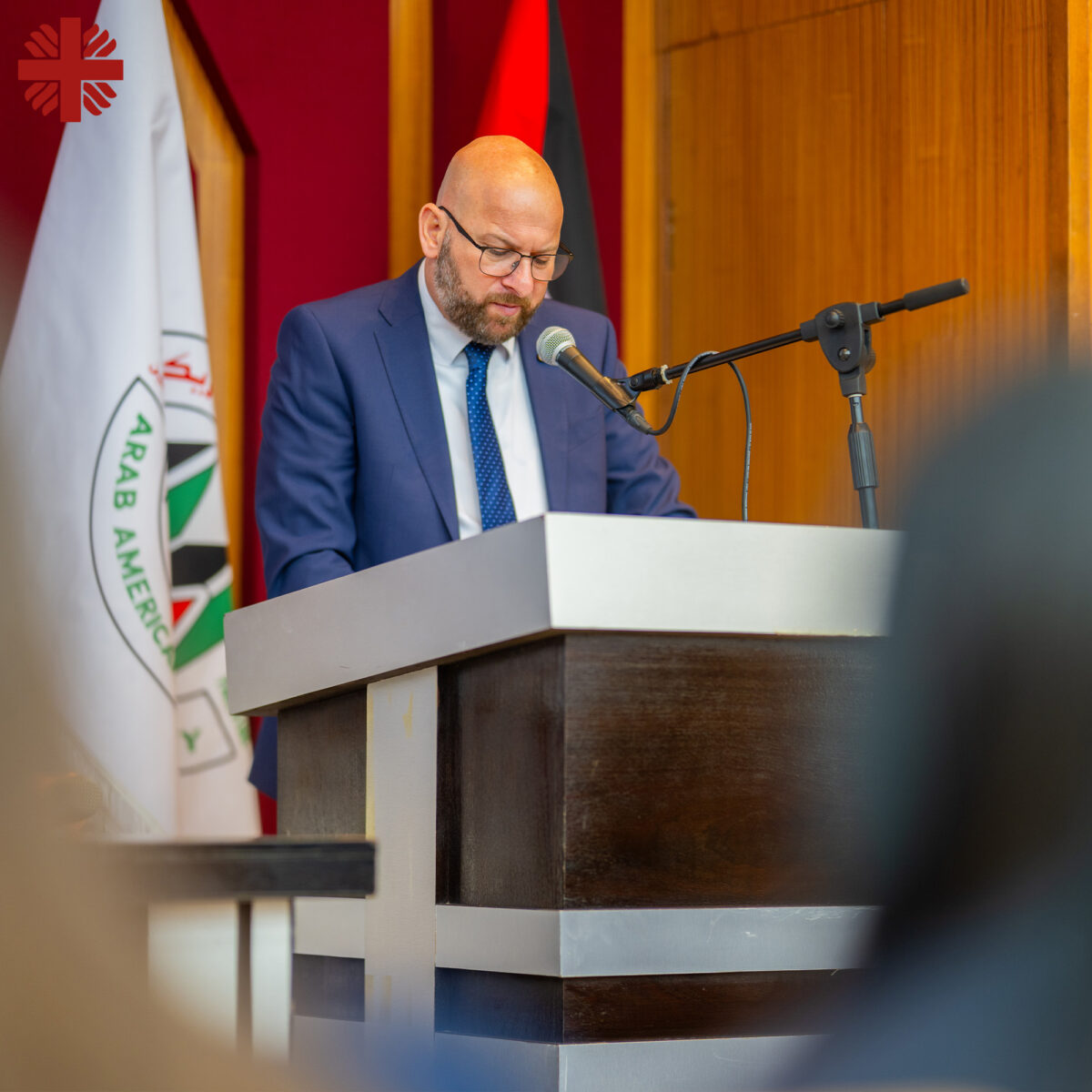
The following day, we gathered at the Arab American University for the program's closing event. Distinguished guests attended, alongside representatives from governmental bodies and our valued partners. Together, we reflected on five years of dedication, perseverance, and achievement.
By every measure, it was a success story.
Five years of challenges overcome.
Five years of indicators achieved.
Five years of communities strengthened.
We should have been celebrating wholeheartedly.
But something lingered in the back of our minds, something we could not ignore.
Perhaps it was because we are accustomed to seeing situations deteriorate. Living in this small land and in a region burdened by uncertainty, we learn to adapt. We learn to continue. We learn to hope.
In fact, we have already prepared for the next chapter: another five-year program designed to support host communities and displaced families from the refugee camps of Jenin, Tulkarem, and Nour al-Shams.
So why was I disturbed?
Why was I lying awake in a guesthouse in Jenin, unable to sleep after a day that should have brought nothing but satisfaction?
My thoughts drifted back five years, to the beginning of this journey. I remembered the participatory workshops held during COVID-19, when uncertainty was everywhere. I remembered the countless challenges we endured: internal divisions, conflict, war, restrictions, and repeated crises. Yet somehow, together, we moved forward. We adapted. We delivered. We succeeded.
A year ago, we reassessed the situation and designed a new program based on what communities needed most. We thought we understood the challenges ahead.
But what I saw during this visit shook something inside me.
As we drove through areas we knew so well, my colleague Anton suddenly broke the silence.
"This is insane."
The words hung in the air.
Was that the right word?
How else could we describe what we were witnessing?
Places where we once sat together over a meal.
Cafes where conversations flowed freely.
Streets filled with small businesses and everyday life.
These were not anonymous locations on a map. We knew the people. We had sat with them. Shared coffee with them. Listened to their stories. Laughed with them.
And now we were seeing livelihoods dismantled before our eyes.
Shops closed.
Businesses destroyed.
Years of hard work reduced to debris.
What made it even harder was knowing that behind every damaged building stood a family, a dream, and a struggle for dignity.
As development workers, we are trained to look for resilience. We are constantly inspired by the courage of communities that refuse to give up. And there is resilience here, extraordinary resilience.
But that evening, a different question haunted me.
Is there such a thing as "too much"?
How much loss can people absorb before hope begins to fade?
How many times can communities rebuild before exhaustion overtakes determination?
And where does "too much" end?
Will there come a point when enough is enough?
Or are we moving toward a future where every new tragedy is met with the chilling response:
"You have seen nothing yet."
As our five-year program comes to a close, I remain proud of what has been achieved. The success stories are real. The lives transformed are real. The courage of the people we serve is real.
But so are the questions.
The journey to Zababdeh reminded me that development is not only about projects, indicators, and achievements. It is about people. It is about protecting hope in places where hope is constantly under pressure.
And perhaps that is why sleep would not come.
Because amid the celebration, I could not stop wondering how much more people will be asked to endure before they are finally allowed not merely to survive, but to live.
Harout Bedrossian
Head of Resource Development
Caritas Jerusalem